
Finding SMM Clients in the United Kingdom: A Practical Guide
The UK is a smaller market than North America but a considerably less crowded one, and the businesses in it behave differently enough that copying an American playbook will cost you meetings.
We currently track 582 UK businesses showing clear signals that they need social media support. That is a smaller pool than the US, but the ratio of opportunity to competing agencies is better in most regions outside London.
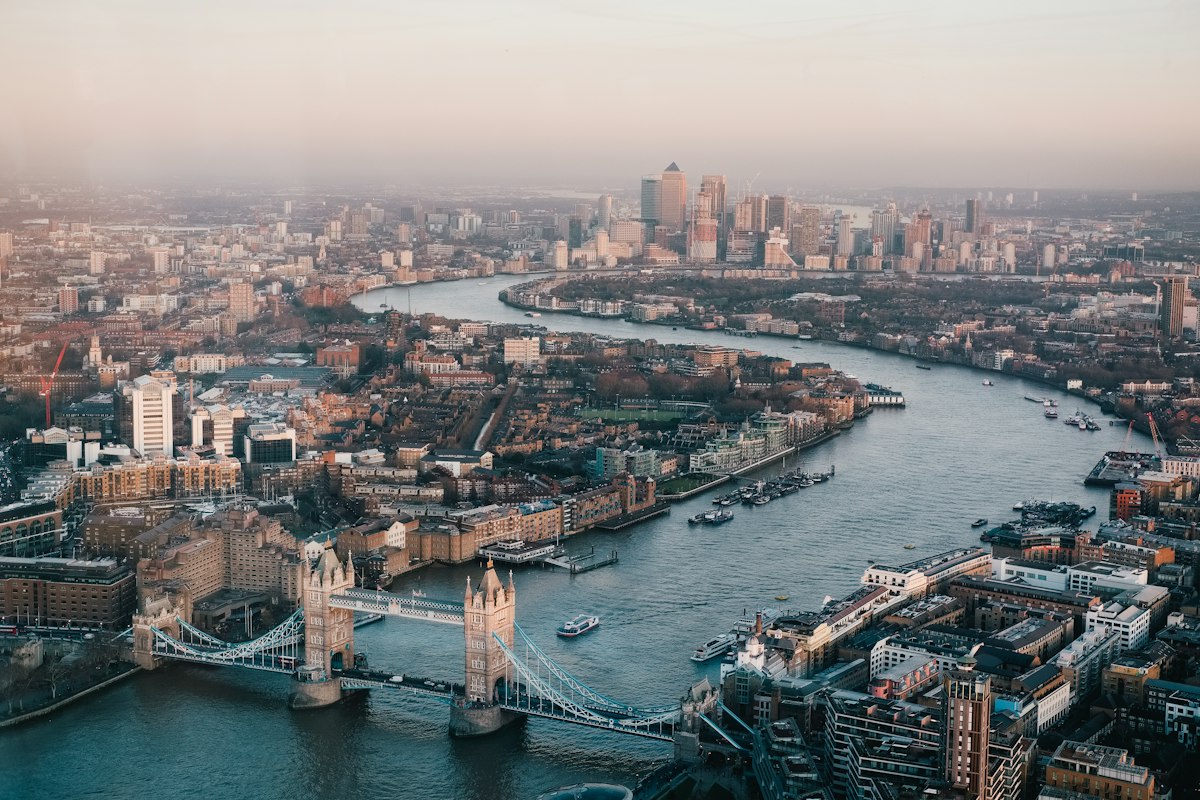
London is the trap. It holds the greatest concentration of businesses and by far the greatest concentration of agencies pitching them. A restaurant in Shoreditch receives cold outreach constantly. Manchester, Birmingham, Leeds, Glasgow, Bristol, Edinburgh, Liverpool and Newcastle have substantial commercial bases and a fraction of the agency saturation. Start there.
The regional point extends further. Market towns across Yorkshire, the Midlands and the South West have established businesses with genuine revenue and almost no agency presence at all. A dental practice in Harrogate or a garden centre outside Exeter has likely never been approached by anyone doing this properly.
Industries that work well in the UK: dental and private healthcare practices, beauty salons and aesthetics clinics, gyms and independent fitness studios, pubs and independent restaurants, tradespeople such as builders, electricians and plumbers, estate agents, and independent retail. Hospitality is particularly receptive, since UK pubs and restaurants live and die on local visibility.
Tone matters more here than in the US, and this is where American templates fail hardest. Direct, high-confidence, benefit-heavy copy reads as pushy to a British business owner. Understatement performs better. "I noticed your competitor down the road is posting daily and you are not, thought it might be worth a conversation" will outperform "I can 10x your revenue" by a wide margin. Avoid superlatives entirely. Do not promise transformation.
The same applies to how you handle price. UK businesses will typically ask what it costs earlier in the conversation than American businesses. Answer plainly. Evasiveness reads as a red flag rather than a negotiating tactic.
Facebook remains disproportionately important for local UK businesses, particularly outside London and particularly for hospitality and trades. Local Facebook groups drive real foot traffic in a way that has faded somewhat in the US. Do not assume Instagram-first.
On the legal side, the UK operates under UK GDPR alongside the Privacy and Electronic Communications Regulations. For business-to-business outreach the position is workable but requires care. You may contact a corporate body such as a limited company or an LLP without prior consent, provided you identify yourself clearly, explain where you obtained the contact details, and offer a straightforward way to opt out. Sole traders and unincorporated partnerships are treated as individuals and require a lawfully justified basis, which in practice means legitimate interest, documented, and narrowly applied.
The practical consequences: contact businesses at published business addresses, keep a record of your lawful basis and where each contact came from, honour opt-outs immediately and permanently, and never use a purchased list. This is not onerous. It is roughly what good outreach looks like anyway.
Two scheduling notes. August is quiet, as much of the country takes holiday, and outreach lands poorly. Late September through November is the strongest window, along with January. Avoid the fortnight around Christmas entirely.
Approach it the same way you would North America, but narrower. One city outside London, one industry, forty well-researched businesses, and copy that sounds like a person rather than a sales sequence.